Solutions · Logistics and mailrooms
Parcel screening has two jobs that buying departments rarely separate: security, which is stopping contraband and threats to staff, and shrinkage, which is what leaves the building inside a package. The same X-ray image does both, which is why the tunnel size is usually the first and most expensive decision.
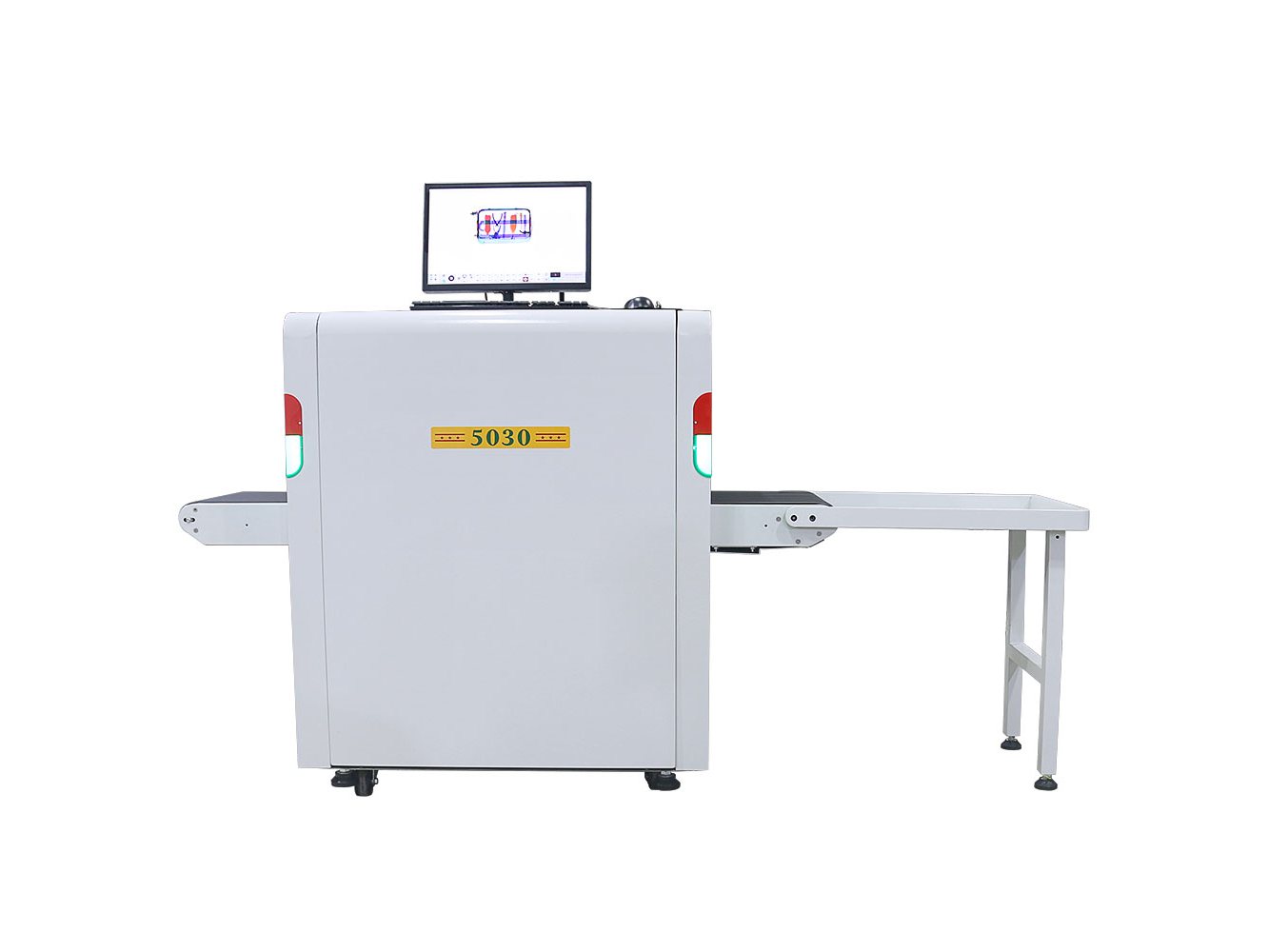
The tunnel is the one part of the system that cannot be changed later.
Tunnel size sets the price and the footprint, and it is the one part of an X-ray system that cannot be changed later. Undersize the tunnel and every item that does not fit has to be opened or hand-searched at the machine, which quietly destroys the throughput you thought you had bought. Oversize it and you pay for a larger generator, a larger footprint and a taller crate than the parcel mix needs.
The sizing rule we use is the largest item you actually see, plus clearance: a carton diagonally placed needs more than its longest side, and a palletised load is limited by the conveyor load rating rather than the tunnel. Conveyor load matters more than most buyers expect — the 650 mm tunnel unit is rated to 180 kg, which is generous for cartons and not generous for a loaded pallet. Match the machine class to the load, not to the box.
After the tunnel, the decisions are about how the machine fits the operation: whether parcels are screened inline with a sorter or offline beside it, how items are fed (belt, roller table, or by hand), and where a suspect parcel goes when the operator decides to open it. That last question is the one that most often changes the layout, and it is worth answering before the machine is ordered rather than when it arrives.
The four tunnel classes we supply most often, and the parcel mix each one is built for.
| Parcel profile | Tunnel (W × H) | Model | Notes |
|---|---|---|---|
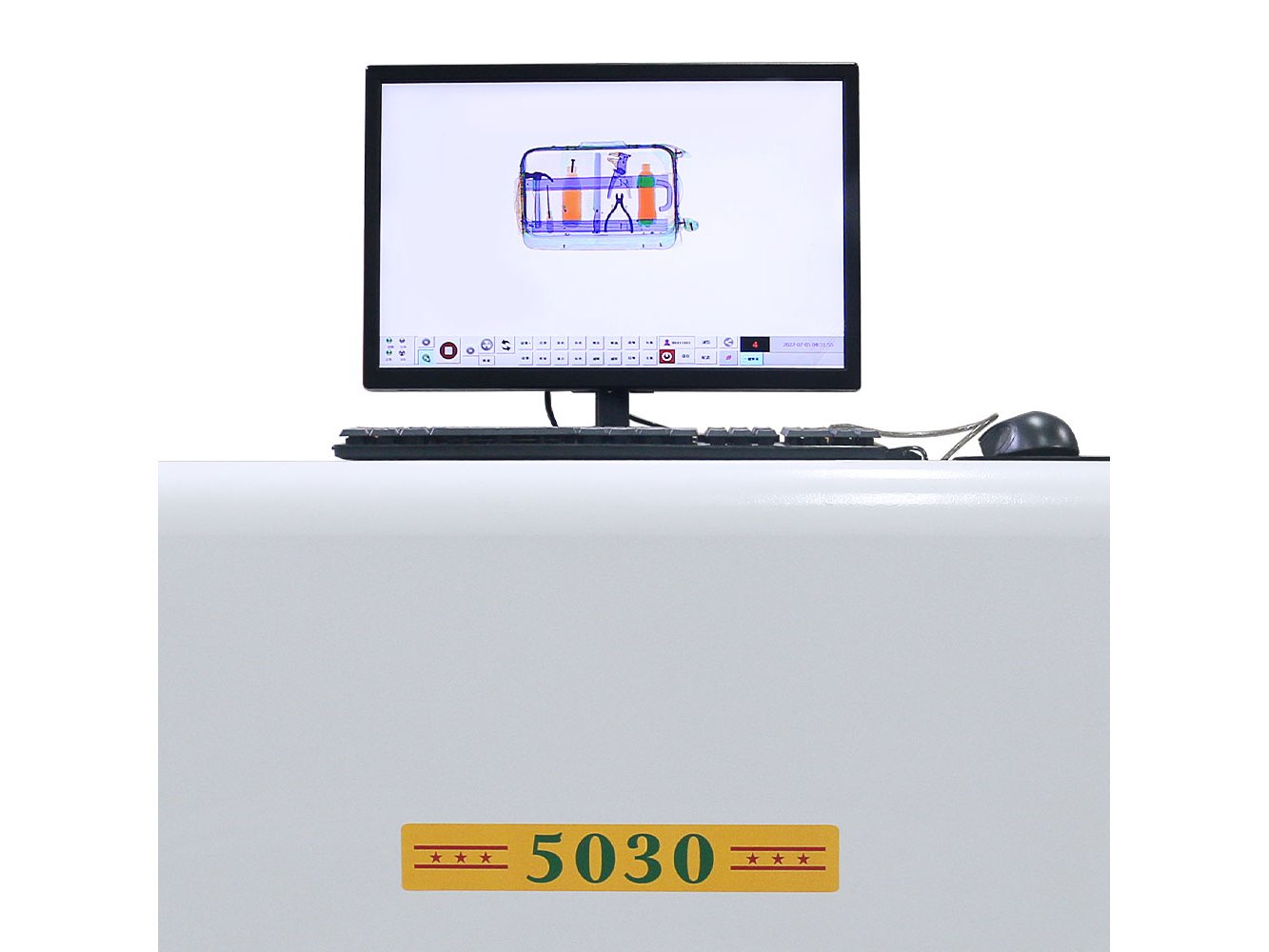
| Envelopes, small parcels, mail trays, returns | 500 × 300 mm | TS-5030A | Countertop-class unit at 284 kg that passes a standard doorway; mail and small-parcel throughput. |
| Cartons, hand luggage, archive boxes | 650 × 500 mm | TS-6550 | Reference configuration: 43 mm steel penetration, 180 kg conveyor load, 0.22 m/s belt. |
| Consolidated boxes, checked baggage | 1000 × 800 mm | TS-10080 | For consolidation points and baggage handling rather than countertop operation. |
| Pallets and freight | 1500 × 1800 mm and bespoke sizes | Custom build | Palletised loads are limited by conveyor rating and load handling, not only by the tunnel opening. Larger tunnels are built to order — the largest supplied to date is 1850 × 1550 mm. |
What the operator actually uses, shift after shift.
The first is throughput arithmetic. The belt speed is fixed at 0.22 m/s on the reference model, but actual items per hour is decided by item length and spacing, not by belt speed: a 60 cm carton every two metres moves a very different volume from small parcels fed end to end. Anyone who quotes you a parcels-per-hour figure without asking for your parcel mix is guessing. Send us a sample of the mix and your busiest hour and we will work the number with you.
The second is the return path. Screening is only clean if a suspicious parcel has somewhere to go: a secondary review table, a bag-opening area with the correct packaging materials, and a documented decision on what happens to a parcel that is refused. Where a mailroom also serves as the returns desk, that path is usually what breaks first under load — and it is a layout problem, not an equipment problem, which is why we mark it on the plan before the machine is ordered.
It depends on your parcel mix more than on the machine. The belt moves at 0.22 m/s on the 650 mm tunnel model, but throughput is set by item length, how items are spaced, and how often an operator has to re-examine or open something. Send us a sample of the mix and your peak hour and we will work the realistic figure with you instead of quoting a best case.
The units are freestanding and are normally fed by roller table or by hand, and they can be positioned inline with a conveyor where the layout allows. Tell us the feed method and the available space and we will mark the integration on the drawing.
Palletised loads need a freight-class tunnel (1500 × 1800 mm and above) and the decision usually turns on conveyor rating and load handling rather than the opening. Tell us the pallet footprint, the load weight and how it will be presented to the beam.
Screening does not damage electronics or batteries. Lithium cells in particular are routinely screened in parcel networks. The reference configuration is guaranteed safe for ASA/ISO 1600 film as well.
Yes. The compact 500 × 300 mm unit is the usual choice for mailrooms and facilities teams, and the same architecture is used for prison property and office mail screening.
The country, your parcel profile and largest item, the busiest hour, how items reach the machine, and the space available including door width and any crate clearance. We reply with a model recommendation and pricing.
Tell us the country of installation and the intended use, and we will send the full technical catalogue and pricing.
Contact: Brandon, Sales Manager
Email: deal@topsaful.com
Tel / WhatsApp: +86 156 1616 8054
We usually reply within one business day.