Solutions · Factories and plants
Shrinkage in a factory walks out of the gate in pockets, tool bags and outgoing trucks. The fix is an exit problem, not an entrance problem: metal detection and X-ray screening positioned where people and goods leave, plus under-vehicle inspection for the trucks that leave through the cargo gate every day.
Staff exit, dispatch gate, inbound flow - three checkpoints, one system.
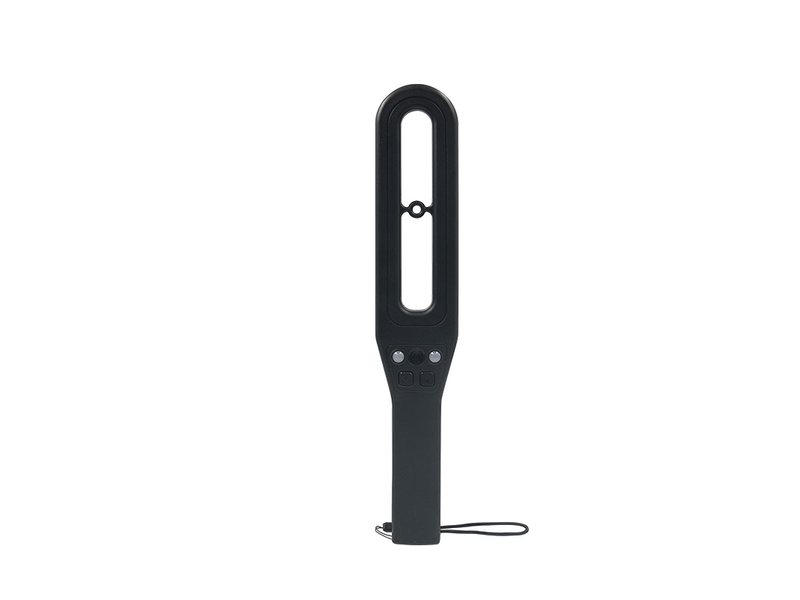
The staff exit is the first checkpoint. A walk-through gate at the shift change, tuned so phones, keys and tools below the policy threshold pass while larger metal is flagged, keeps the line moving at the exact minutes when hundreds of workers leave at once. Handheld detectors resolve the alarms at the side position.
The stores and dispatch gate is the second. Outgoing trolleys, waste bins, tool cases and courier boxes go through an X-ray scanner so the contents are visible without opening every package. Where finished goods leave by truck, an under-vehicle surveillance system at the cargo gate records every undercarriage before the barrier lifts — camera-type units capture images at drive-through speeds of up to 45 km/h.
The third checkpoint is inbound: contractor tools, replacement parts and staff bags entering the plant. Screening inbound flow closes the argument about who brought what in, which is half of every internal investigation.
Scaled to the shift size and the gate layout.
| Checkpoint | Equipment and why |
|---|---|
| Staff exit at shift change | Walk-through gate tuned to the company property policy; handheld operators at the side position for alarm resolution. |
| Dispatch and stores gate | X-ray scanner for trolleys, tool cases, waste and courier traffic; tunnel sized to the largest daily item. |
| Cargo truck gate | Under vehicle surveillance system - camera type for drive-through lanes, mirror type for manned low-speed gates. |
| Inbound staff and contractors | The same gate and handheld pair at the visitor and contractor entrance. |
| Night and weekend operation | Backup-battery option for gates; battery-powered handhelds need no fixed installation at all. |
The gate count is set by the shift-change burst, and sensitivity is tuned to your property policy so personal items pass while the tools and components you prohibit are flagged. Send us the shift size and the exit layout and we will size the lane.
It depends on what the items are. Ferrous and non-ferrous metal parts are exactly what handheld and walk-through detection is built for; non-metallic high-value items are an X-ray question at the dispatch gate. Tell us what is walking out and we will say honestly which line fixes it — and which will not.
Yes. Under-vehicle camera systems record every undercarriage at drive-through speeds up to 45 km/h, so the gate does not become the bottleneck on dispatch days.
Exit screening applies to everyone alike, including managers, and the gate is announced as a property policy rather than a suspicion tool. The sensitivity tuning does most of the work: pass personal items, flag what the policy prohibits.
Tell us the country of installation and the intended use, and we will send the full technical catalogue and pricing.
Contact: Brandon, Sales Manager
Email: deal@topsaful.com
Tel / WhatsApp: +86 156 1616 8054
We usually reply within one business day.